
 South Africa tour of India 2019


ISRO Plans Advanced SPADEX Missions to Support Future Space Station Goals
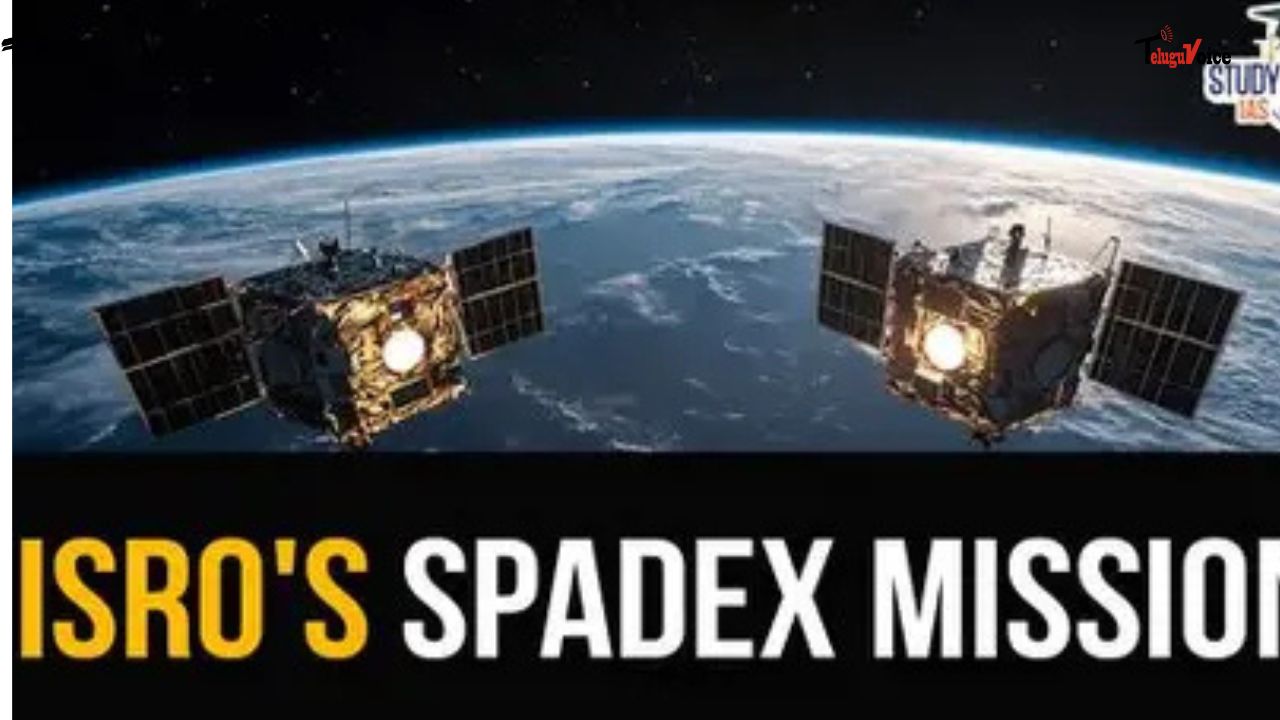
The Indian Space Research Organisation is preparing to undertake two advanced orbital docking missions, SPADEX-2 and SPADEX-3, as part of its long-term vision to establish the Bharatiya Antariksha Station. These missions aim to enhance India’s capabilities in space docking technology, which is essential for future human spaceflight and deep-space exploration.
According to Union Minister Jitendra Singh, both missions are currently under study and will test docking under varied orbital conditions. The SPADEX programme focuses on mastering rendezvous and docking technologies, enabling spacecraft to connect in orbit for operations such as crew transfer, refuelling, and material exchange.
SPADEX-2 will test docking in a highly elliptical orbit, a challenging environment relevant for missions like Chandrayaan-4. It will also attempt sample transfer between modules, a crucial capability for lunar exploration.
SPADEX-3, meanwhile, will focus on docking in circular orbit conditions similar to low Earth orbit. This mission will involve the use of the indigenous Bharatiya Docking System and simulate operations required for long-duration human presence in space.
ISRO has already demonstrated basic docking capabilities in earlier missions. These upcoming experiments aim to build operational readiness for more complex scenarios.
The government has also encouraged academic institutions and research organizations to participate in these missions, opening opportunities in areas such as payload development and algorithm design. As India advances its ambitions in space exploration, SPADEX-2 and SPADEX-3 are expected to play a critical role in building a sustainable presence in space.






Comments