
 South Africa tour of India 2019


Iran hits Saudi Arabia. Does Pakistan’s defence pact now pull it into the Middle East war?
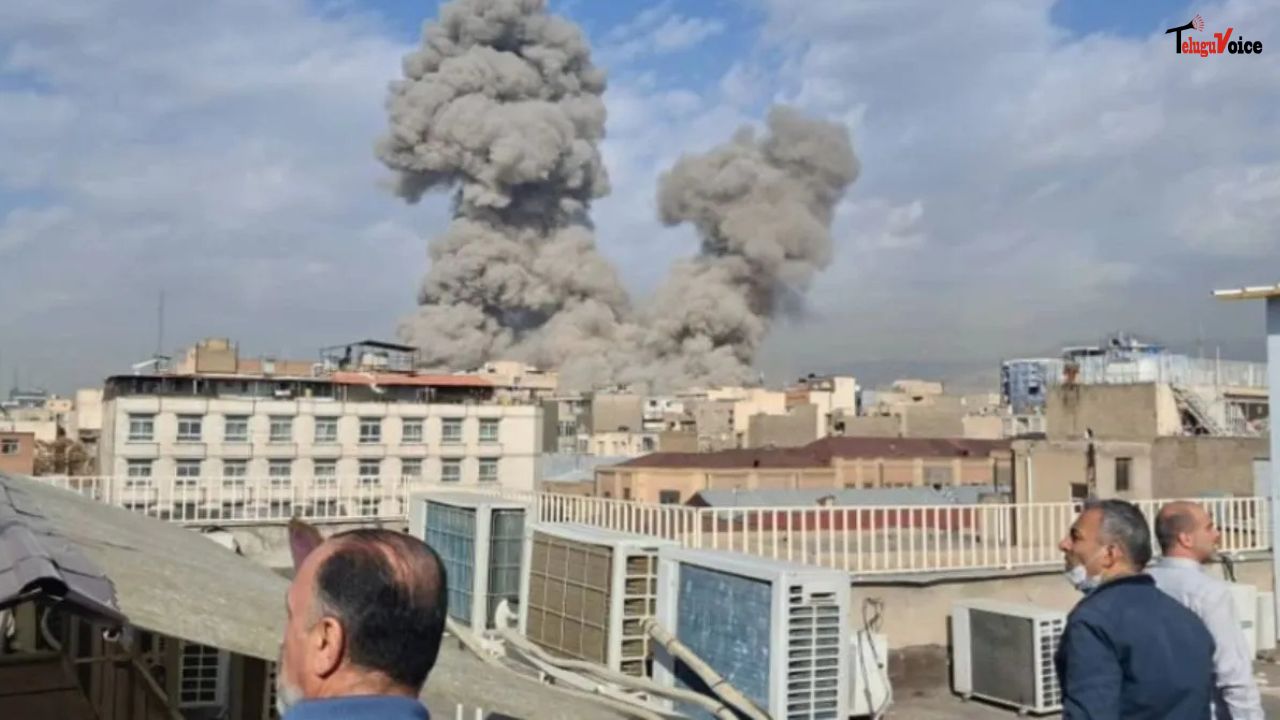
The Middle East saw one of its most volatile 24-hour periods in recent years.
The United States and Israel carried out coordinated strikes on Iranian military and strategic installations, framing them as pre-emptive or deterrent actions. Iran retaliated with missile attacks across the Gulf region, including reported strikes on Saudi territory.
Several Gulf states activated air defences. Airspace disruptions followed. Global powers weighed in, Russia condemned the strikes, while European leaders called for de-escalation and renewed negotiations.
The conflict, long simmering through proxies and shadow operations, shifted into overt state-to-state confrontation.
That escalation has now pulled an older agreement into the spotlight: the 2025 Strategic Mutual Defence Agreement between Saudi Arabia and Pakistan.
What the Saudi–Pakistan defence pact says
In 2025, Riyadh and Islamabad signed a mutual defence agreement stating that aggression against one would be treated as aggression against both.
The language mirrors traditional collective security formulations used in several defence arrangements worldwide.
However, publicly available details do not outline:
- An automatic military deployment clause
- A fixed response timeline
- A pre-committed troop or combat framework
That distinction is critical.
Treaties often create political commitments. They do not always mandate immediate battlefield participation.
Does this mean Pakistan must enter the war?
Not automatically.
In most defence agreements, assistance is defined broadly. A country determines its response through its own constitutional and strategic processes.
If Saudi Arabia formally invokes the pact, Pakistan would assess:
- The scale and confirmation of the Iranian attack
- The risk of wider escalation
- Domestic political implications
- Its diplomatic position vis-à-vis Iran
- Military readiness and regional stability considerations
Pakistan shares a border with Iran and maintains diplomatic ties with Tehran. Any decision involving direct military engagement would carry immediate regional consequences.
What 'participation' could mean in practice
If Islamabad decides to respond under the treaty framework, participation does not necessarily mean combat deployment.
Possible forms of support could include:
- Intelligence coordination
- Air defence cooperation
- Logistical or naval support
- Security assistance for key Saudi infrastructure
Historically, Pakistan has provided advisory and training roles to Gulf allies without entering direct combat in regional conflicts.
A decision to deploy combat forces would represent a significant escalation and would likely require domestic political consultation.
For Pakistan, the Saudi pact now carries heightened visibility.
If Riyadh frames the Iranian strike as formal external aggression and invokes treaty language, Islamabad would face diplomatic pressure to demonstrate support.
At the same time, entering a direct war with Iran would reshape Pakistan’s western border dynamics and its broader foreign policy posture.





Comments