
 South Africa tour of India 2019


Ceasefire Reopening Hormuz Strait Triggers Global Market Rally
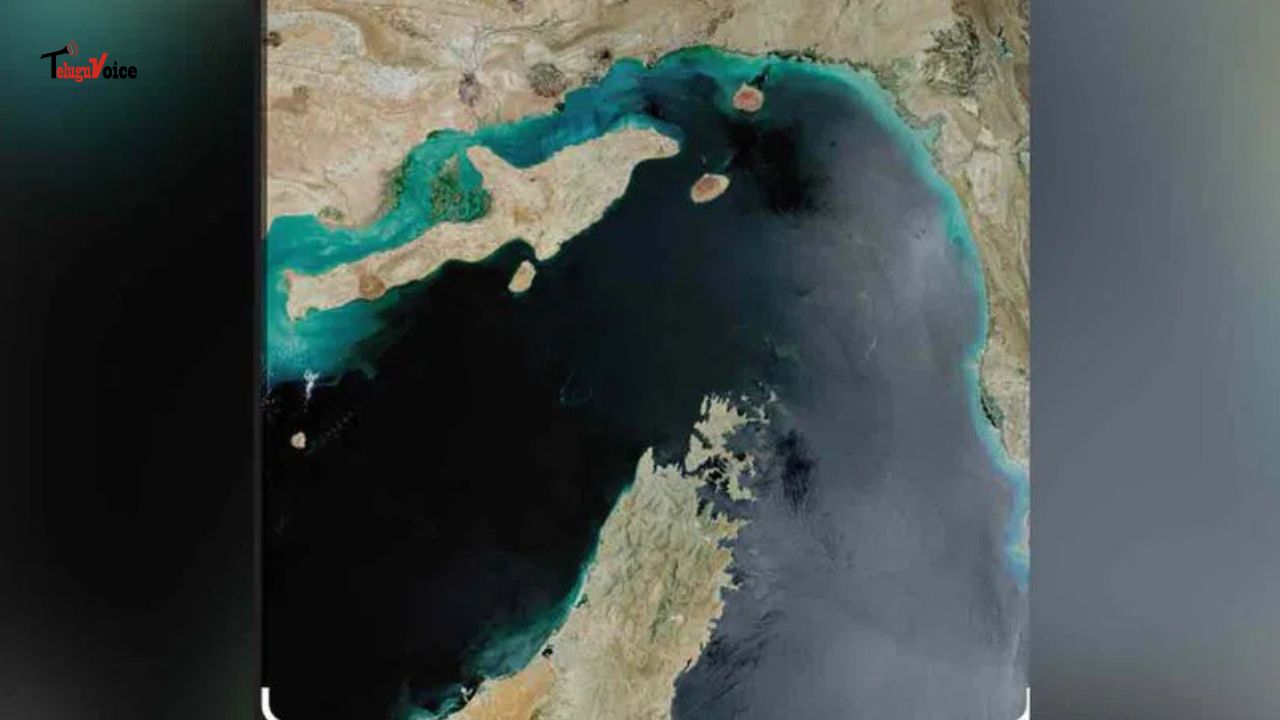
Global financial markets responded positively after the United States and Iran agreed to a temporary ceasefire, easing fears of prolonged conflict in the Middle East. A key component of the agreement—the reopening of the Strait of Hormuz—played a major role in stabilising investor sentiment.
Oil prices saw a sharp decline, dropping below $100 per barrel after previously surging due to disruptions in supply. US crude futures fell significantly, while Brent crude also recorded steep losses. The Strait of Hormuz is a critical route for global oil shipments, and its reopening signalled a return to smoother energy flows.
Stock markets reacted strongly to the development. Japan’s Nikkei 225 and South Korea’s Kospi posted substantial gains, while US stock futures also rose, reflecting renewed investor confidence. The easing of geopolitical tensions helped calm fears of economic instability triggered by the conflict.
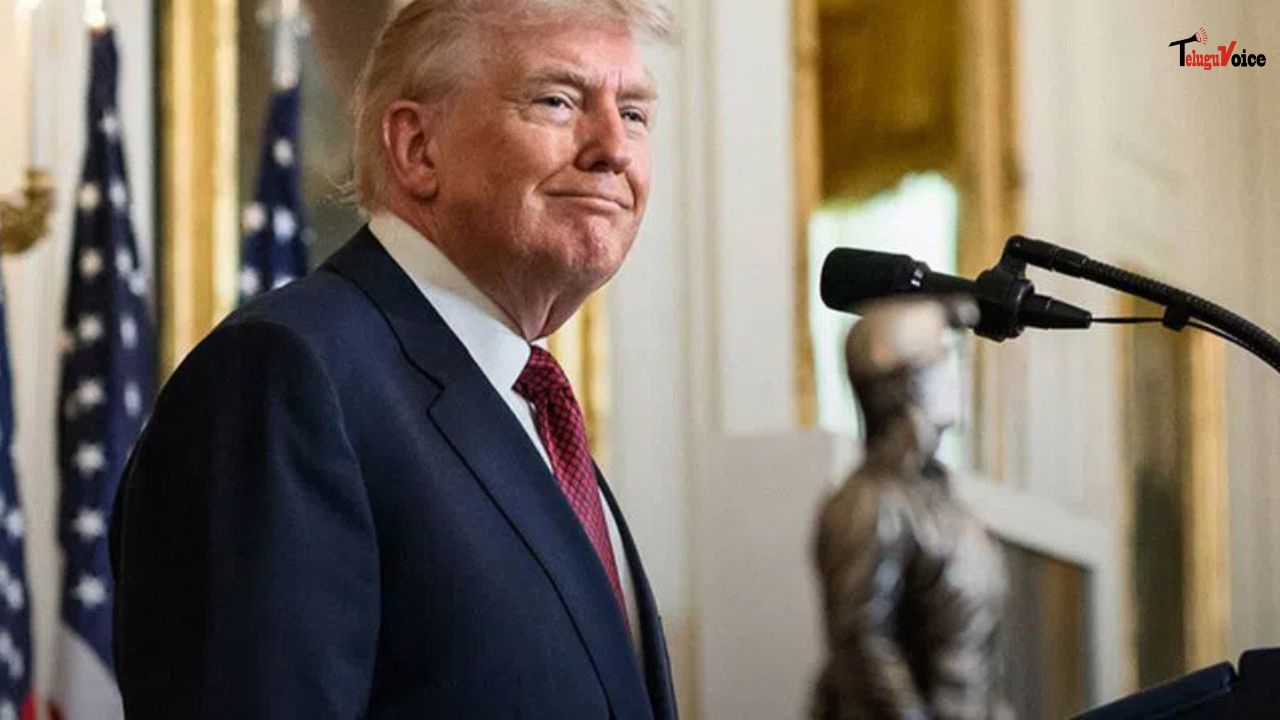
President Donald Trump confirmed that planned strikes on Iranian infrastructure had been postponed, contributing to the improved market outlook. Iran also indicated that it would allow passage through the strait under its supervision during the ceasefire period.
However, uncertainty still lingers. The exact start of the ceasefire remains unclear, and reports of ongoing attacks in parts of the region highlight the fragile nature of the agreement. Analysts warn that markets could remain volatile if the situation deteriorates.
For now, the ceasefire has provided a much-needed breather for global markets, but investors remain cautious as diplomatic efforts continue and the risk of renewed conflict persists.





Comments