
 South Africa tour of India 2019


Iran conflict and Trump’s statements
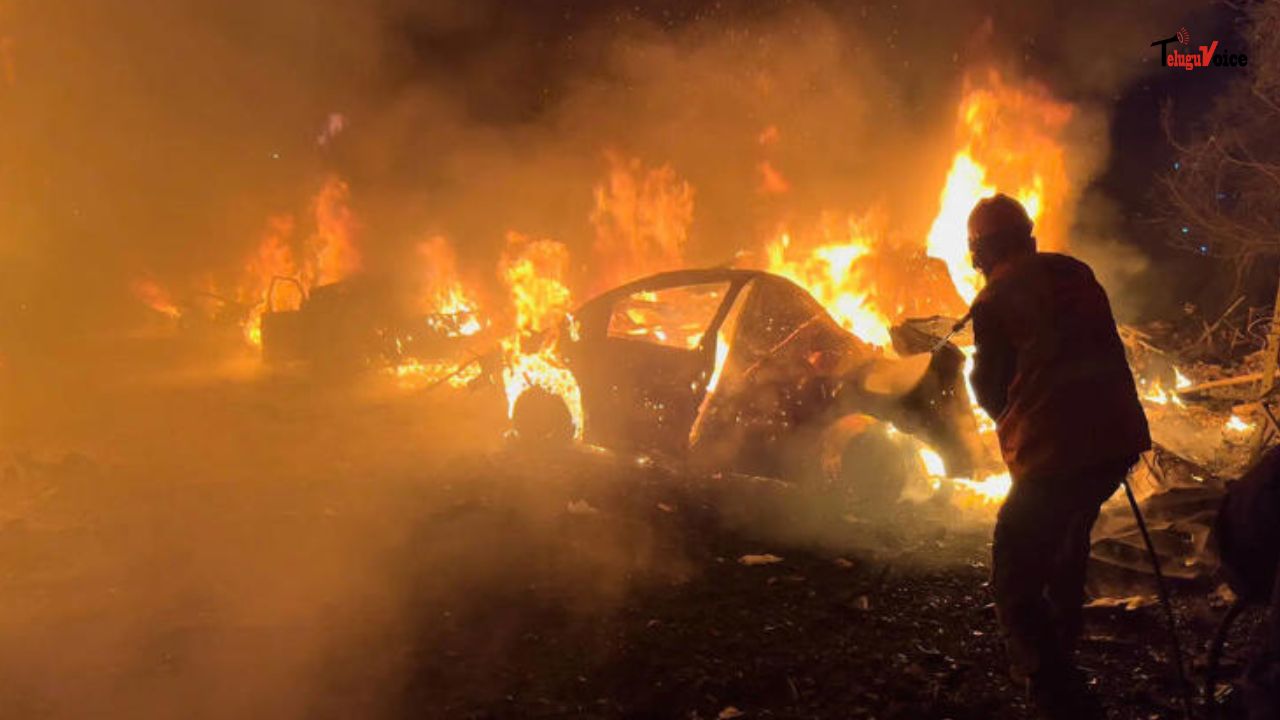
Iran intensified its military actions across the Persian Gulf on Wednesday, launching attacks on multiple regional targets as tensions sharply escalated. These developments coincided with fresh airstrikes on Tehran, further deepening instability in the region. At the same time, U.S. President Donald Trump delivered mixed messages about Washington’s intentions, alternating between calls for restraint and threats of stronger military action.
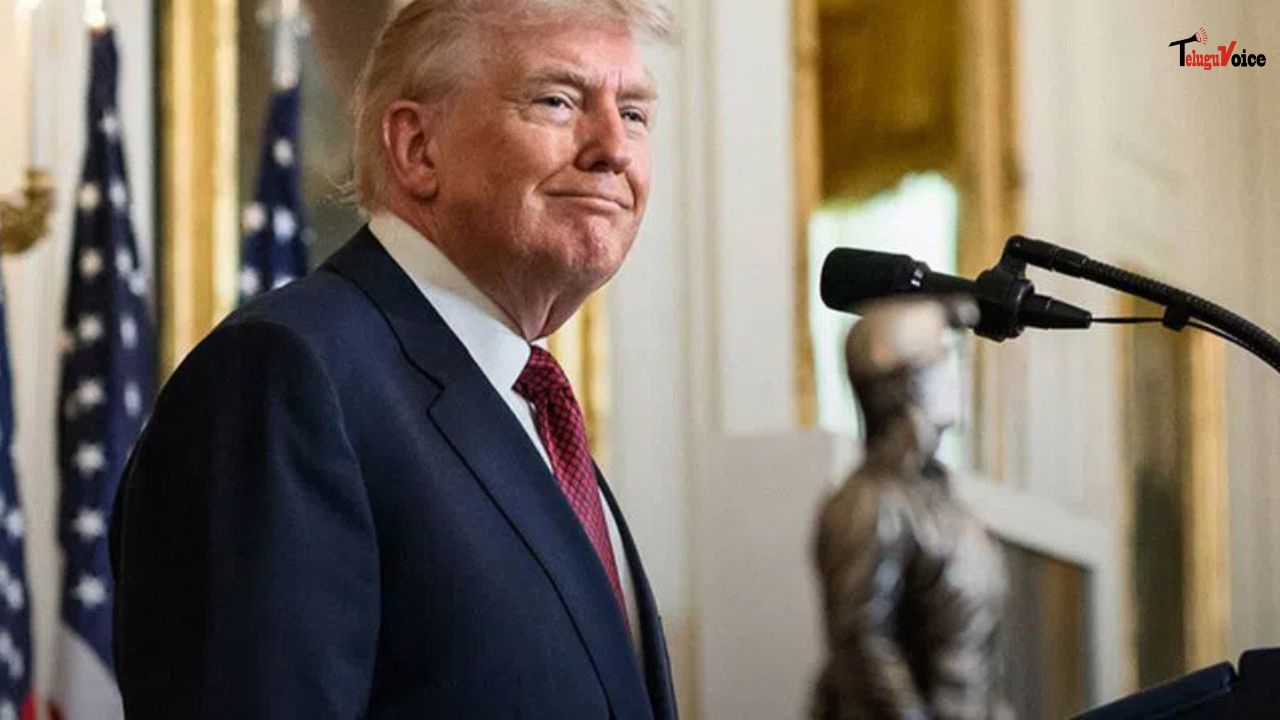
In a social media post, Trump warned Iran against obstructing the Strait of Hormuz, a critical route for global oil shipments, cautioning that serious consequences would follow. This statement contrasted with his earlier remarks suggesting the U.S. might withdraw from ensuring maritime security in the area. The shift has added uncertainty to U.S. policy direction.
During a televised address, Trump expressed hope that military operations could conclude within weeks if Iran agreed not to pursue nuclear weapons. However, his tone soon turned more forceful, as the U.S. began increasing troop deployments in the Middle East, signaling possible preparation for expanded operations.
Iranian officials rejected Trump’s claims that Tehran was seeking a ceasefire. Foreign Ministry spokesperson Esmail Baghaei dismissed the assertion as baseless, while Foreign Minister Abbas Araghchi reiterated that Iran would not yield to threats and would defend its sovereignty.
Since the conflict began on February 28, both rhetoric and military actions have intensified. Iran has targeted oil infrastructure and shipping routes, while the U.S. has considered strikes on strategic sites such as Kharg Island. Meanwhile, global oil prices have surged over 40%, reflecting growing fears of supply disruptions.
The Strait of Hormuz remains a flashpoint, with its security crucial to global trade. As both sides harden their positions, the risk of a broader regional conflict continues to rise.





Comments