 South Africa tour of India 2019


Modi reviews West Asia crisis, stresses stability and information control
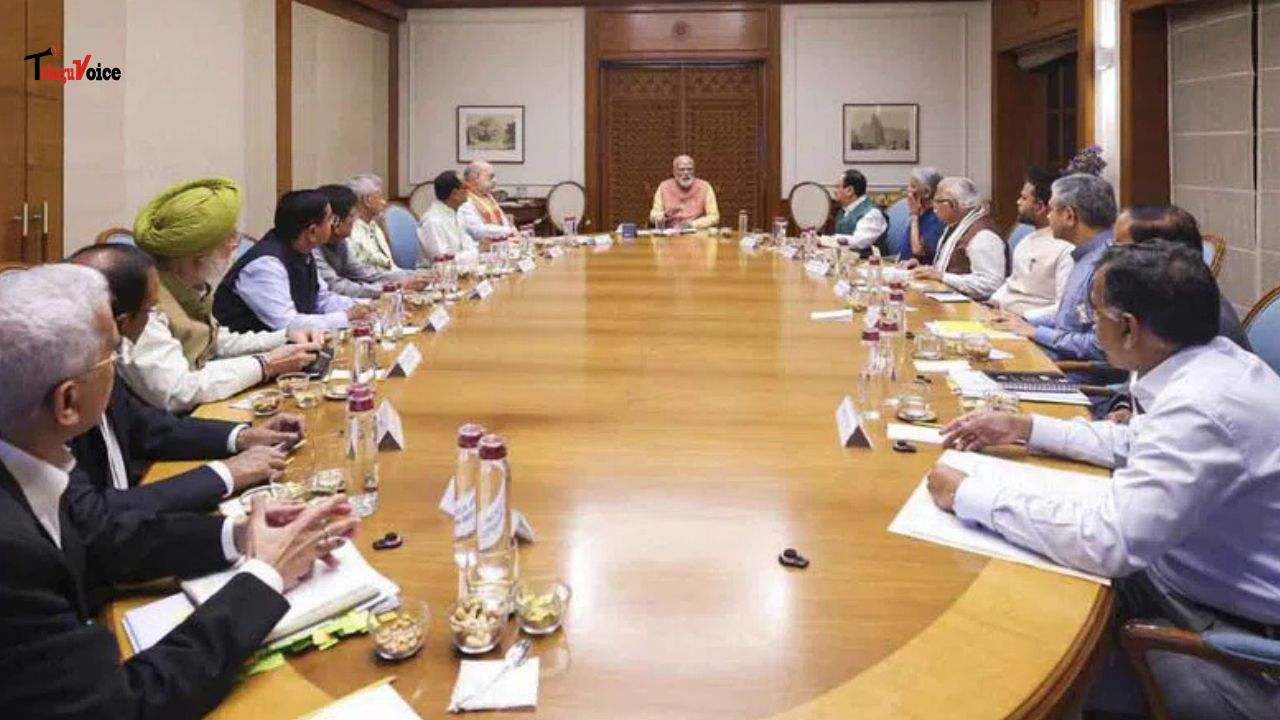
Prime Minister Narendra Modi chaired a high-level meeting of the Cabinet Committee on Security (CCS) to assess the impact of the West Asia conflict on India, focusing on safeguarding essential supplies and preventing misinformation.
During the meeting, Modi directed all ministries to ensure uninterrupted access to critical resources such as energy, fertilisers, and food. He stressed the importance of maintaining a reliable public information system to counter rumours and misinformation, which could create panic among citizens.
Officials briefed the committee on steps taken to stabilise supply chains, including diversifying sources of liquefied natural gas (LNG) and LPG imports. Measures are also being implemented to prevent hoarding and black marketing of essential commodities, with state governments actively monitoring distribution.
The Prime Minister reviewed preparations for agricultural needs, particularly fertiliser availability for upcoming crop seasons. Efforts include maintaining domestic production and coordinating with international suppliers to secure imports of key nutrients like DAP and NPK.
Energy security remains a major concern. The government is taking steps to ensure adequate power supply during peak summer demand, including increasing coal availability and supporting gas-based power plants.
The meeting also addressed broader sectors such as aviation, shipping, and logistics, which have been affected by disruptions in global trade routes—especially through the Strait of Hormuz, a critical channel for energy transport.
Modi emphasised that India must remain proactive in dealing with the evolving global situation, highlighting diplomatic engagement with multiple countries to ensure stability.
Overall, the government’s approach combines supply chain management, international coordination, and public communication to minimise the domestic impact of the ongoing conflict.