
 South Africa tour of India 2019


Strait of Hormuz Crisis Deepens as US Begins Iranian Port Blockade
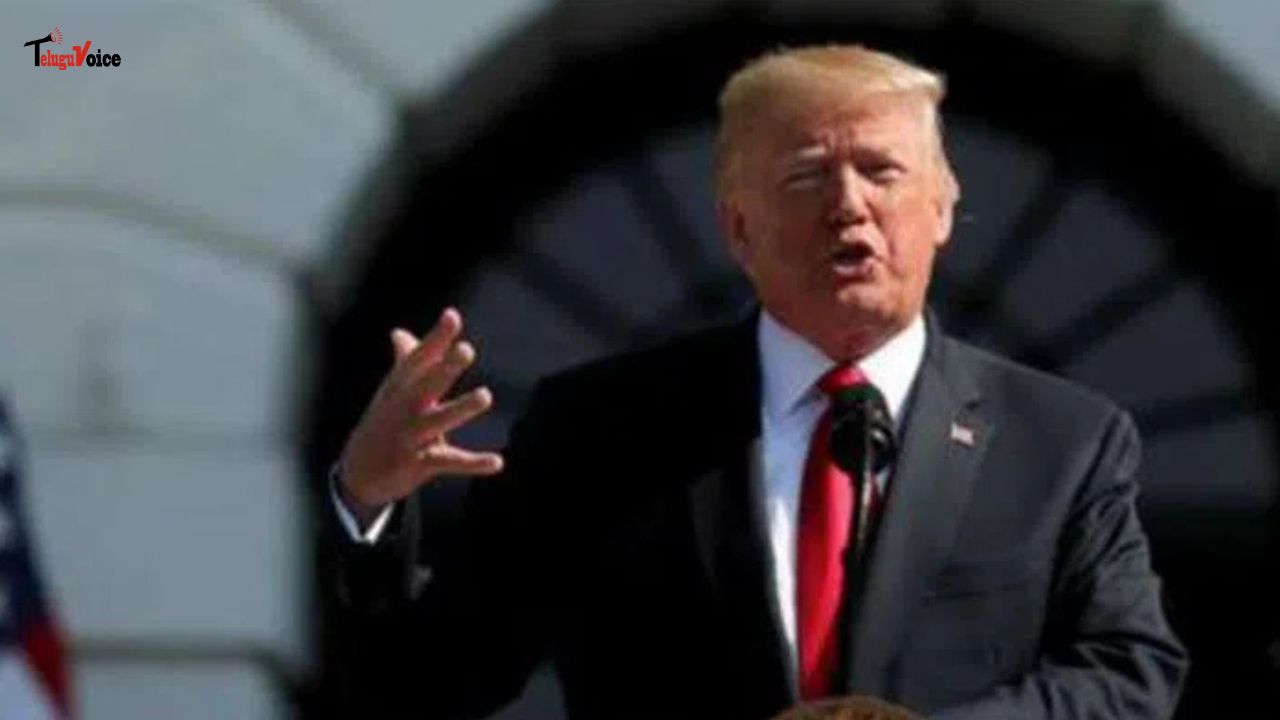
Tensions in the Gulf have escalated sharply after the United States initiated a blockade of Iranian ports and coastal areas, marking a significant intensification of the ongoing conflict. The mo
ve comes amid growing instability in the strategically vital Strait of Hormuz, through which nearly 20% of the world’s oil supply passes. Early signs of disruption emerged as multiple vessels reportedly halted or reversed course near the waterway.
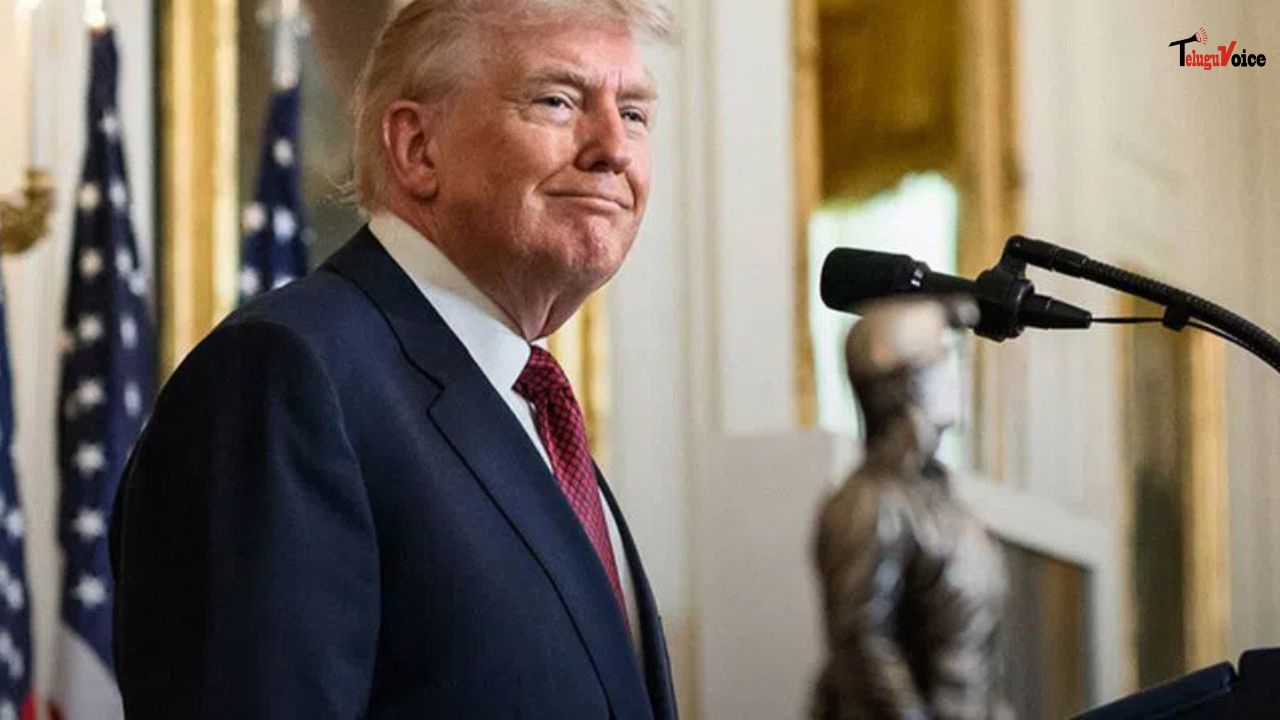
US President Donald Trump confirmed that the blockade began at 10 a.m. Monday, warning that any Iranian naval vessels approaching US forces would be destroyed. While the blockade stops short of fully closing the Strait of Hormuz, it has already triggered widespread concern about global trade and energy markets.
Iran responded strongly, threatening retaliatory action targeting ports across the Persian Gulf and Gulf of Oman. With the war now in its seventh week and thousands of casualties reported, diplomatic efforts remain fragile. Recent ceasefire talks ended without a breakthrough, raising uncertainty about the future once the current truce expires on April 22.
Meanwhile, the United Nations has urged restraint. Secretary-General António Guterres emphasized that freedom of navigation in the strait is protected under international law, warning against any action that could disrupt global shipping. He reiterated that there is no military solution to the broader conflict and called for continued dialogue.
The crisis is already impacting maritime activity, with at least two oil tankers turning back shortly after approaching the strait. Global markets remain on edge, as any prolonged disruption could drive up oil prices and fuel inflation worldwide. The situation remains volatile, with the risk of further escalation looming large.





Comments