 South Africa tour of India 2019


Global energy systems strained as conflict damages key infrastructure
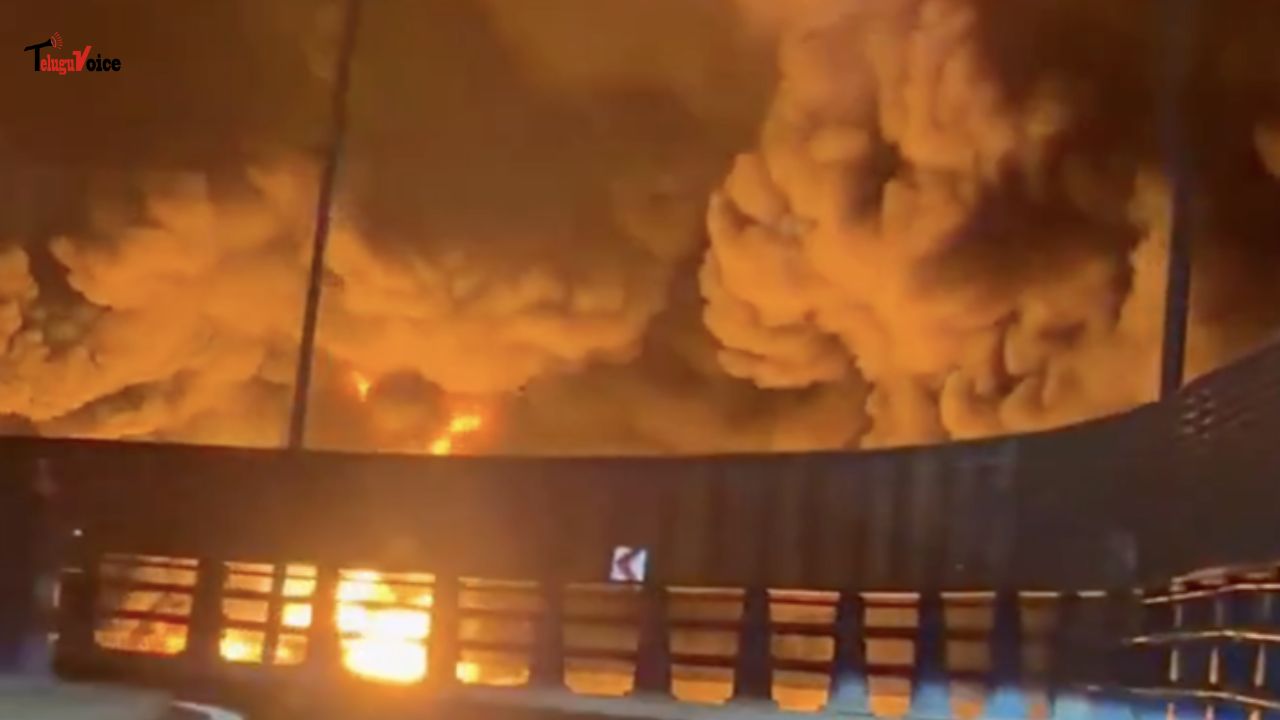
The ongoing West Asia conflict has severely impacted global energy systems, with over 40 critical energy assets across nine countries reported as heavily damaged. According to Fatih Birol, head of the International Energy Agency, the scale of destruction poses a serious risk to global supply chains.
Speaking in Canberra, Birol warned that the damage extends to oil fields, refineries, and pipelines—core components of the global energy network. He emphasised that even after hostilities subside, restoring these facilities will take considerable time, delaying the return to normal production levels.
The disruption has already contributed to volatility in global oil prices and raised concerns among energy-importing nations. With multiple countries affected, the crisis is no longer regional but global in its implications. Supply shortages, logistical bottlenecks, and uncertainty over future output are all contributing to instability in energy markets.
Birol highlighted that repairing energy infrastructure is a complex and resource-intensive process. Beyond physical reconstruction, it requires restoring supply chains, workforce capacity, and operational safety. These challenges mean that recovery could stretch over months or even years.
The warning comes amid growing fears that continued conflict could further damage infrastructure, deepening the crisis. Countries dependent on imported energy are particularly vulnerable, as they face rising costs and potential shortages.
The situation underscores the interconnected nature of global energy systems. A disruption in one region can quickly ripple across the world, affecting economies, industries, and consumers alike.
Birol’s remarks serve as a stark reminder that the consequences of conflict extend far beyond the battlefield, with long-term implications for global economic stability and energy security.