
 South Africa tour of India 2019


Iran Attacks Gulf Allies as Trump Expresses Surprise
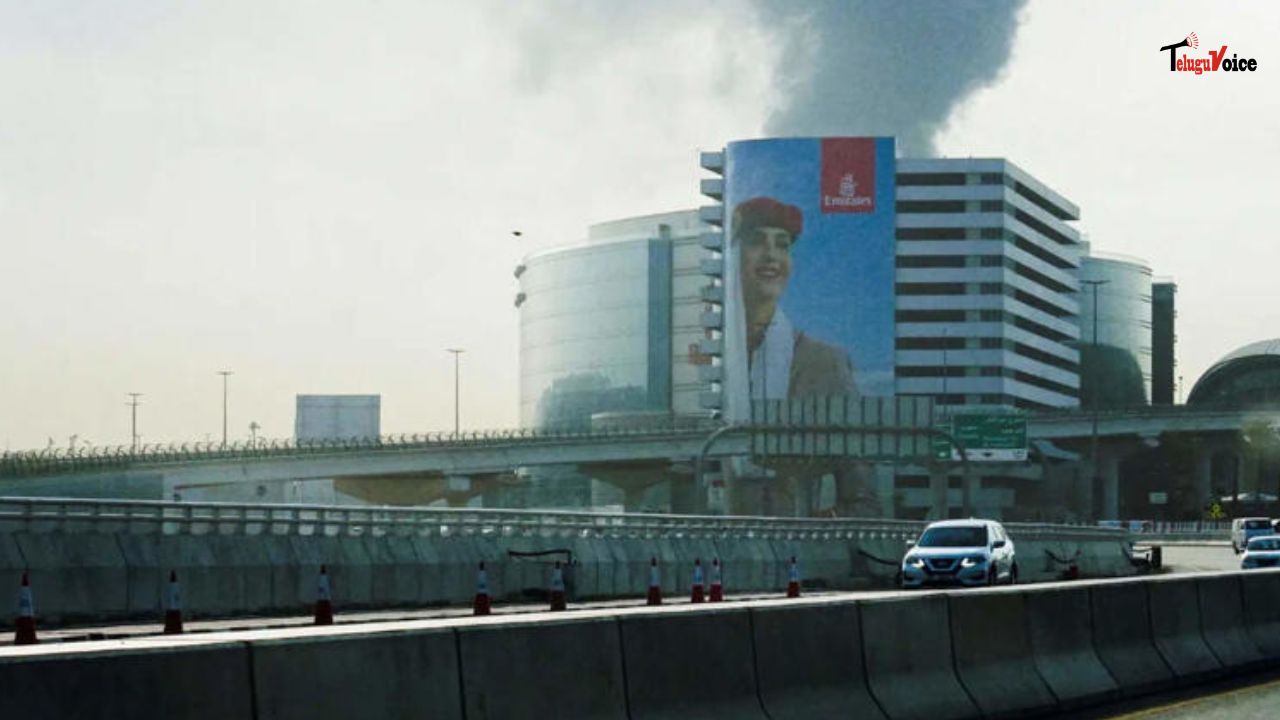
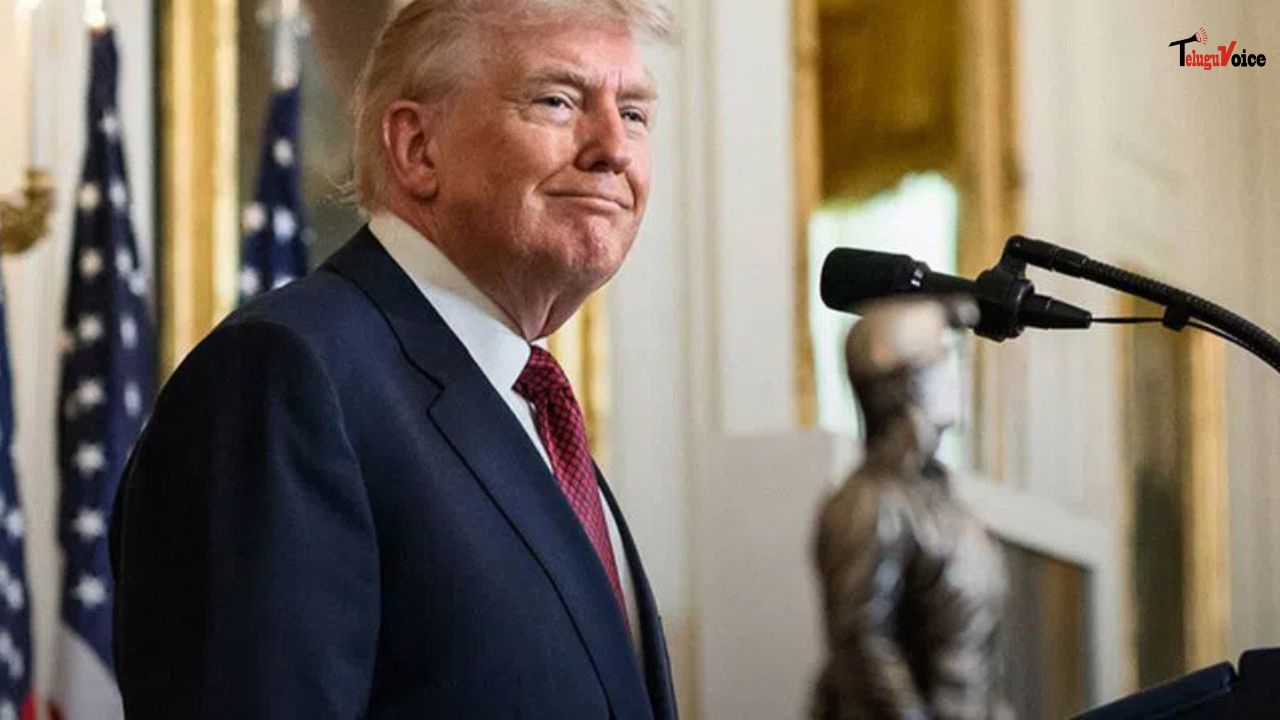
Iran expanded its military response in the ongoing conflict by launching fresh attacks on U.S. allies in the Gulf, including the United Arab Emirates. The escalation surprised former U.S. President Donald Trump, who claimed such widespread retaliation had not been anticipated.
The war, now entering its third week, has already claimed thousands of lives and shows no signs of de-escalation. Iran has continued missile strikes on Israel while also targeting strategic infrastructure across the Gulf region. A drone strike hit an oil facility in Fujairah, disrupting operations and raising concerns over global oil supply.
Airspace closures and attacks on energy infrastructure have highlighted the vulnerability of key economic hubs. Meanwhile, the Strait of Hormuz remains effectively restricted, with Iran deploying naval mines and drones to control maritime movement.
Despite Trump’s claims of surprise, reports suggest that U.S. intelligence had warned of possible retaliation against Gulf allies if Iran was attacked. Officials had also predicted attempts to block the strait, a move that could significantly impact global trade.
Several U.S. allies, including Germany and Japan, declined requests to send naval support, citing lack of international mandate. This has exposed divisions among Western nations regarding involvement in the conflict.
Oil prices have risen amid fears of supply disruption, increasing the risk of global inflation and economic slowdown. Experts warn of potential “stagflation” if the crisis continues.
As both sides intensify strikes, the conflict is rapidly evolving into a broader regional confrontation, with significant implications for global security, energy markets, and international diplomacy.





Comments