
 South Africa tour of India 2019


Lenskart Controversy Highlights India’s Growing Culture of Outrage
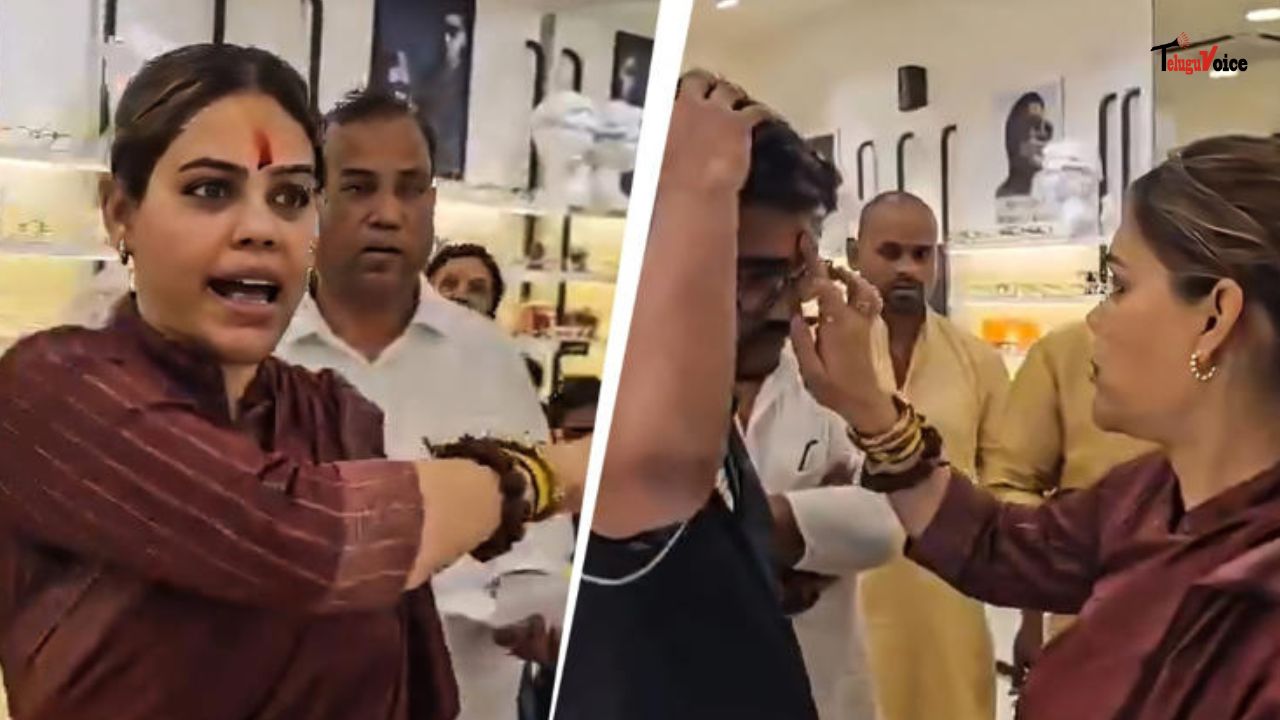
A recent controversy involving eyewear brand Lenskart has once again highlighted how quickly public outrage can escalate in India’s digital age. What began as a debate over an alleged internal grooming policy soon spiralled into confrontation and public spectacle.
The issue gained traction after a purported document surfaced online, suggesting restrictions on employees wearing religious symbols such as tilak, bindi, and kalawa. Although the company later clarified that the document was outdated and not official policy, the backlash had already intensified.
The situation took a dramatic turn in Mumbai when a BJP minority morcha leader, Nazia Elahi Khan, entered a Lenskart store and confronted staff over the alleged policy. In a widely circulated video, she is seen questioning the store manager and applying tilak to employees, turning the protest into a performative act.
Critics argue that such actions unfairly target frontline workers who have no role in framing company policies. Many social media users pointed out that accountability should lie with decision-makers rather than store-level employees.
This incident reflects a broader pattern where online outrage quickly translates into real-world actions. Similar controversies, such as those involving Fab India and Tanishq, have shown how sensitive issues around religious identity can escalate rapidly.
While concerns about discrimination and freedom of expression are valid, the Lenskart episode underscores the thin line between protest and intimidation. In today’s hyper-connected environment, narratives spread rapidly, often outpacing facts and clarifications.
The controversy ultimately serves as a reminder of the need for measured responses and responsible discourse, especially when dealing with sensitive cultural and religious matters.







Comments