
 South Africa tour of India 2019


US-Iran Ceasefire Deal: Key Details and Ongoing Uncertainty
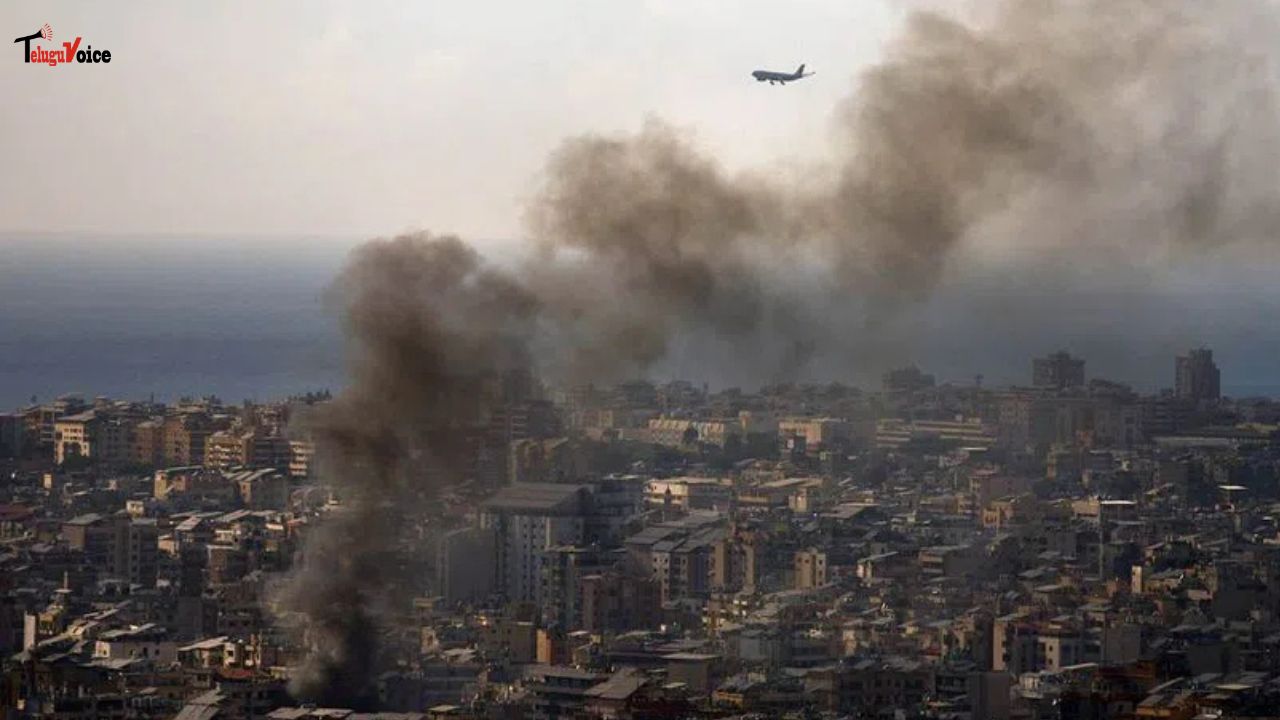
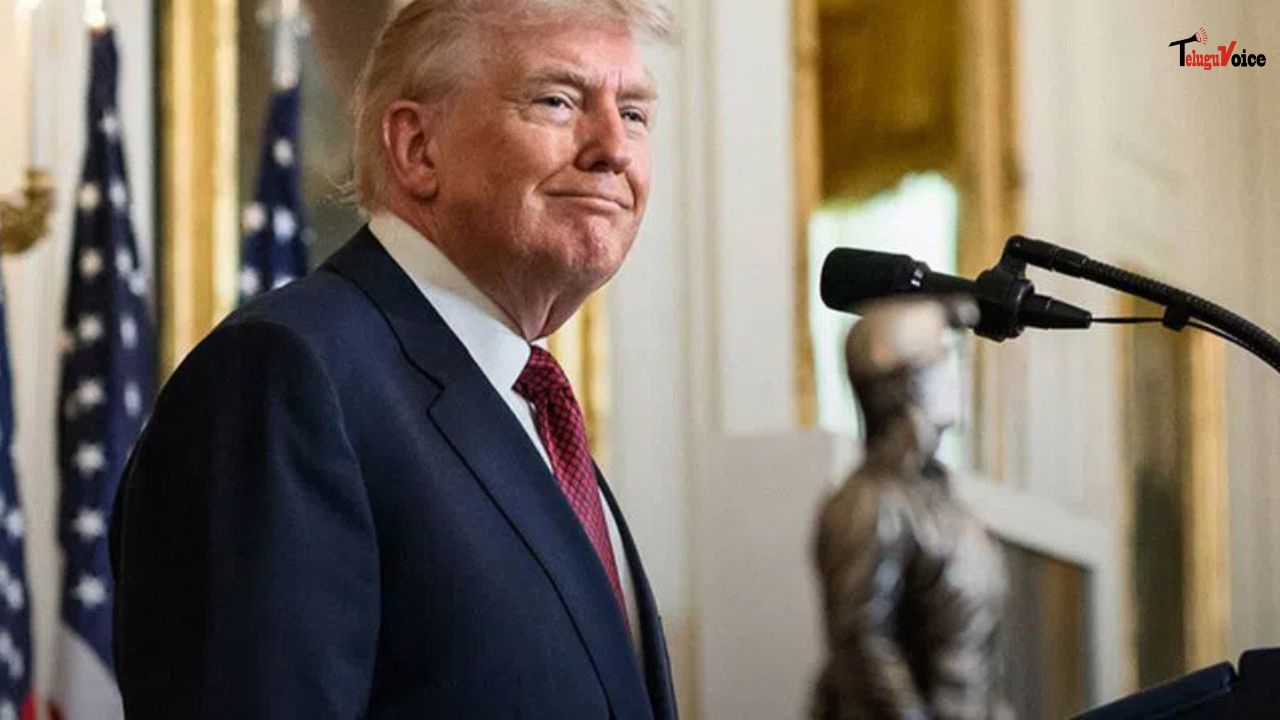
A temporary ceasefire agreement between the United States and Iran has brought a brief pause to escalating tensions, though uncertainty continues to surround its implementation. US President Donald Trump announced a two-week halt to planned military strikes just hours before a deadline he had set for Iran to comply with demands.
The agreement includes reopening the strategically crucial Strait of Hormuz, a key global oil transit route, and initiating diplomatic talks. Iran has confirmed its willingness to negotiate, with discussions expected to take place in Islamabad. Pakistan has emerged as a key mediator in the process.
Despite the announcement, confusion remains over when the ceasefire will formally begin. Reports indicate that sporadic attacks continued across Iran, Israel, and parts of the Gulf region even after the deal was publicised. Israel has also reportedly agreed to the ceasefire, although concerns persist within its leadership.
A major point of contention remains Iran’s nuclear programme. While Iran’s proposal reportedly included recognition of its uranium enrichment rights, this detail was inconsistently presented in different versions of the agreement. Meanwhile, the US continues to insist on stricter limitations.
Iran has also demanded the withdrawal of US forces from the region, lifting of sanctions, and access to frozen assets. Additionally, the agreement allows Iran some level of control over the Strait of Hormuz during the ceasefire period.
The situation remains volatile, with both sides expressing cautious optimism while maintaining military readiness. The coming two weeks are seen as critical for determining whether diplomacy can succeed in preventing further escalation or if the conflict will resume with greater intensity.





Comments